The invisible guardian of the tire industry
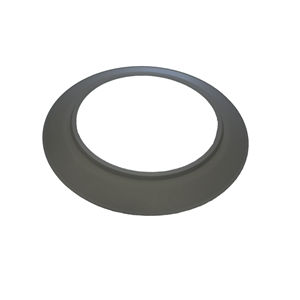
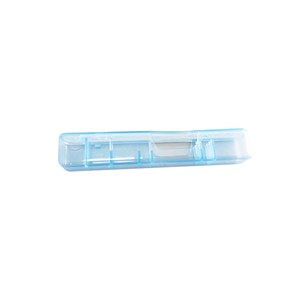
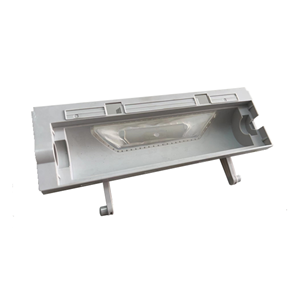
In the grand symphony of modern industry, tire manufacturing is undoubtedly a perfect combination of technology and precision. When we marvel at the streamlined design of cars or the wear resistance of tires, few people pay attention to the crucial line of defense in the microscopic world of tire formation, silently guarding the quality and safety of products - the tire bead separator.
It is not the ultimate component of tires, but plays an indispensable role as a "midwife" in the "delivery room" where tires are born. The tire bead, as the connection point between the tire and the wheel rim, is a critical part of the vehicle for carrying loads. During the tire forming process, numerous components such as wire rings, sidewall rubber, and inner lining need to converge precisely here. These uncured rubbers are as soft and sticky as clay, and are prone to sticking or displacement before vulcanization. The tire bead partition is a "temporary dam" that intervenes between them. It effectively isolates each component with precise size and stable performance, ensuring that they are in their respective positions before entering the vulcanization tank and do not interfere with each other.
This isolation is not simply a physical barrier, but a precise game of time, temperature, and pressure. According to authoritative industry data, if the performance of the tire bead separator does not meet the standard, the early damage rate of the tire bead will significantly increase. In harsh testing environments, tires with inferior partitions have a risk of bead separation that is nearly 10 times higher than tires with high-quality partitions. This means that every successful application of the tire bead separator is a precise elimination of potential safety hazards. For a modern tire production line with an annual output of millions, the stability of the bead separator is directly related to billions of dollars in output value and reputation.
The material and process of the tire bead partition are a wonderful interpretation of materials science. It is usually made of high-strength, high-temperature resistant special fiber paper or synthetic materials, which can withstand high temperatures of up to 170 ℃ and tens of kilograms of high pressure during tire vulcanization. In this extreme environment, its size change rate must be controlled within a very small range to ensure that the isolation effect is not affected. At the same time, it also needs to have good breathability, just like human skin, to allow the excess gas generated during the vulcanization process to be smoothly discharged, avoiding fatal defects such as bubbles or delamination inside the tire.
In the era of sustainable development, tire bead separators are also undergoing green transformation. Traditional partition materials are often difficult to handle after completing their mission, while the new generation of environmentally friendly partitions are made of biodegradable materials, achieving a green cycle from cradle to cradle. This is not only a technological advancement, but also a responsibility and commitment of industrial civilization to the natural environment.
In summary, although the tire bead partition is unremarkable, its silent adherence interprets the industrial truth of "details determine success or failure". It makes us understand that behind every great industrial product, there are countless "invisible guardians" like tire bead separators, silently guarding quality and safety in places we cannot see. Salute to these unsung heroes behind the scenes of industry, and remind us that every aspect of the pursuit of excellence deserves respect and meticulous attention to detail.
Changshu Yongchengsheng Hardware Products Co., Ltd. specializes in the production and sales of tire bead separators and PP tire bead pads. If you need them, please contact us at+86-13506249539; Contact email: ljd706627@gmail.com