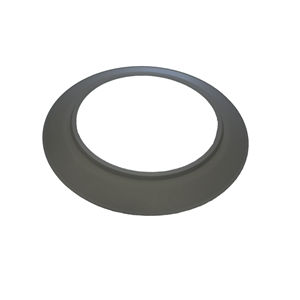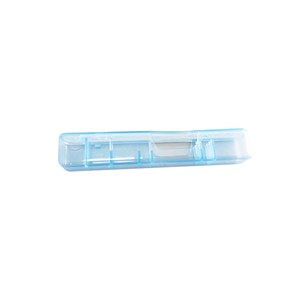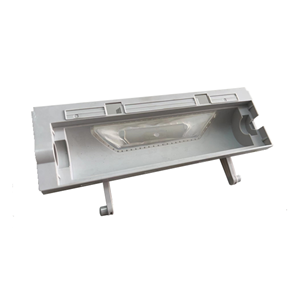
PP bead partition: an invisible cornerstone for building tire safety
In the precision system of modern industry, tires serve as the only contact medium between vehicles and the ground, and every aspect of their manufacturing process is related to driving safety and comfort. In this complex process, the seemingly insignificant auxiliary material of the tire bead separator actually plays a crucial role. Especially with the advancement of materials science, polypropylene (PP) bead separators have become one of the core components for ensuring high-quality tire production due to their excellent physical properties.
The main function of the tire bead separator is to isolate the rubber and metal wire ring in the tire bead area during the vulcanization and molding stage, preventing unexpected adhesion between the two under high temperature and pressure. At the same time, it also needs to maintain shape stability under enormous molding pressure to ensure the geometric accuracy of the bead area. This process requires the partition material to not only have extremely high chemical inertness, but also excellent mechanical properties. Traditional wooden or paper partitions have gradually been replaced by high-performance engineering plastics due to their susceptibility to moisture absorption, insufficient strength, and short lifespan.
The key to why PP bead separators stand out among many materials is their excellent comprehensive performance. Polypropylene itself has excellent chemical corrosion resistance and can effectively resist the corrosion of acidic substances and various additives generated during rubber vulcanization. In terms of heat resistance, PP separators that have been modified and enhanced can work for a long time at vulcanization temperatures ranging from 150 ℃ to 180 ℃ without softening or decomposition. Their thermal deformation temperature is usually controlled above 120 ℃, which is much higher than that of ordinary plastics. In terms of physical strength, the tensile yield strength of high-quality PP separators can reach 35MPa to 40MPa, and the bending modulus is above 1500MPa. This high rigidity ensures that they are not easily permanently deformed during repeated vulcanization cycles, thereby ensuring the roundness and concentricity of tire beads.
In addition to the basic mechanical properties, the surface quality of PP bead separators also determines the final appearance of the tire. High precision mold processing results in extremely high surface smoothness and low micro roughness of the partition, effectively avoiding appearance defects such as pitting, bubbles, or scratches in the tire bead area. In addition, the density of PP material is relatively low, about 0.9g/cm ³, which makes PP partitions lighter than traditional metal or wooden partitions, facilitating automated handling and installation on the production line, and reducing the labor intensity of workers.
From the perspectives of economy and environmental friendliness, PP tire bead separators also demonstrate significant advantages. It has a long service life and can be reused hundreds or even thousands of times, greatly reducing the consumable costs of tire manufacturing enterprises. Meanwhile, polypropylene material is non-toxic and odorless, and can be recycled and reused after disposal, which is in line with the green and low-carbon development trend of modern manufacturing industry.
Changshu Yongchengsheng Hardware Products Co., Ltd. specializes in the production and sales of tire bead separators and PP tire bead pads. If you need them, please contact us at+86-13506249539; Contact email: ljd706627@gmail.com