Engineering Data Analysis and Industrial Application Value of PP Tire Bead Partition
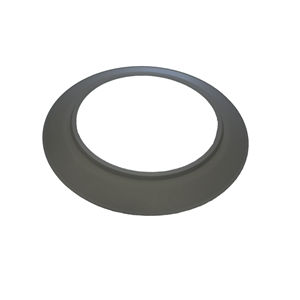
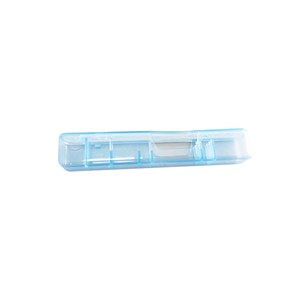
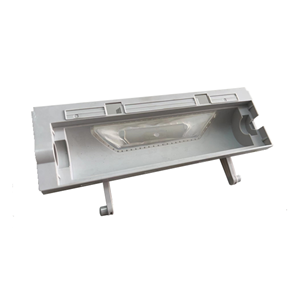
In the complex process chain of tire manufacturing, although the bead separator is inconspicuous, it is a key accessory to ensure product quality and production efficiency. Especially in the production of high-performance tires, traditional materials are no longer able to meet the increasingly stringent process requirements. Polypropylene (PP) bead separators are gradually becoming the mainstream in the industry due to their excellent physical and chemical properties and precise engineering data performance.
The core function of the bead separator is to isolate the rubber at the bead area from the mold during the vulcanization process, prevent adhesion, and maintain the stability of the bead shape. This process requires withstanding high temperatures of over 150 ℃ and tens of tons of mold clamping pressure. Ordinary materials are prone to deformation, aging, or surface degradation in this environment, leading to surface defects on tires. The PP bead separator achieves a balance between heat resistance and mechanical strength through molecular structure modification. Its thermal deformation temperature can reach over 120 ℃, and the long-term use temperature range is -20 ℃ to 120 ℃, fully covering the temperature range of tire vulcanization process.
In terms of mechanical properties, the tensile strength of high-quality PP bead separators is usually not less than 30MPa, the elongation at break is greater than 150%, and the bending modulus is above 1300MPa. These data ensure that it is not prone to permanent deformation during repeated hot pressing cycles. At the same time, its density is controlled between 0.90~0.91 g/cm ³, which reduces the weight by more than 40% compared to metal or wooden partitions, significantly reducing the handling burden of the production line.
Surface quality is a key factor affecting the appearance of tires. After being formed by a high gloss mold, the surface roughness (Ra) of the PP tire bead separator can be controlled below 0.8 μ m, effectively avoiding defects such as tire bead spots and pits caused by uneven surface of the separator. In addition, its water absorption rate is less than 0.01%, and it has excellent dimensional stability in humid environments, avoiding positioning deviation caused by moisture absorption expansion.
From the perspective of service life, conventional wooden partitions can only be used 30 to 50 times on average and need to be replaced, while PP bead partitions can be reused more than 300 times under standardized maintenance, and some high-end products can even reach 500 cycles, greatly reducing consumable costs and downtime replacement frequency.
In terms of environmental protection, PP material can be recycled and reused, which is in line with the trend of green manufacturing. Its non-toxic and odorless properties also improve the working environment in the workshop. Overall, PP bead separators have become an indispensable technical support in the modern tire industry due to their precise engineering parameters, stable performance, and significant economic benefits.
Changshu Yongchengsheng Hardware Products Co., Ltd. specializes in the production and sales of tire bead separators and PP tire bead pads. If you need them, please contact us at+86-13506249539; Contact email: ljd706627@gmail.com